If you have meal planned at all in your life, you know that it can help you spend less at the store, be more organized, and keep your stress down around cooking for your family. But, did you know that meal planning might help improve what a picky eater, eats?
Having a Picky Eater is Hard
As a dietitian who has worked with thousands of parents, I have seen how hard it is to put together a meal for kids that don’t eat a large variety of foods. That becomes even harder when you are trying to make a meal last minute. Typically, by the time dinner rolls around, it just seems easier to feed that “picky” eater whatever you know they will eat. It is too much effort and might seem like a waste of time to bother with something they aren’t going to eat anyways. But this may cause a self-fulfilling prophesy because by serving kids the same few foods, you will just reinforce their preference for these foods or worse, they will burn out on them and eat even less variety.
The first step towards improving a picky eater’s variety is coming up with a game plan. It is important to have a balance between foods your kid likes and ones they might not like or haven’t tried yet. If you don’t have anything on the plate that they are willing to eat, then they may become anxious or overwhelmed and bail on the meal all together. Striking this balance of challenging non preferred foods and comfortable preferred foods can be challenging to say the least.
This is where meal planning comes in. If you need some help getting started or a quick review check out Meal Planning Basics here. Natalie talks about how meal planning gives you the opportunity to increase variety and that is the ultimate goal with a picky eater. So, here are a few reasons why these meal plans are such a valuable tool to help those less than willing participants.
How Meal Planning Can Help Picky Eaters
Ensuring a Preferred Food. Meal planning gives you the organization to make sure you have those comforting and familiar foods ready at each meal for your picky eater. As I already mentioned, this is key for the whole meal not going down the drain- literally. I would strongly suggest that you sit down and make a list of all the foods your kids eats at least 50% of the time. Put these foods into three categories- starch/carbs, fruits/veggies, and proteins. Most people are surprised at how many foods are actually on the list. Now make sure at least 1 of these is served at each meal.
Consistent Exposure to New Foods. Look at the foods on that list you made of all the foods they eat, do you notice any patterns? Are they eating only crunchy, soft, or white foods? Once you identify some of these patterns, you can plan some meals that gradually take them a little out of their comfort zone. With each meal that you plan, slowly make small changes to some of the foods they eat. For example, if you noticed that your kid seems to be avoiding anything with a mushy texture, but they love crunchy foods, then try to plan for some meals with foods that have crunchy outsides and soft insides. It all may be in how you prepare the food.
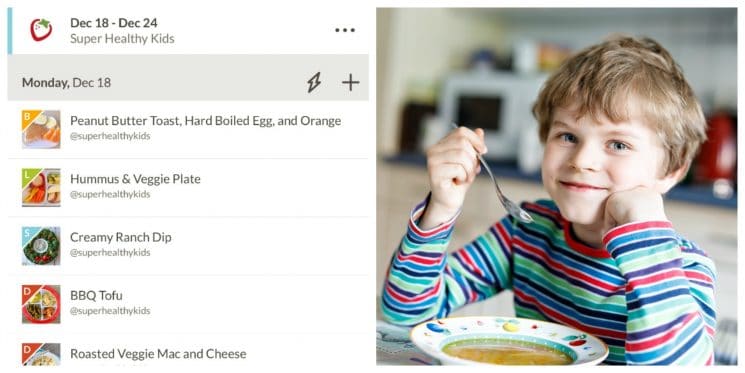
Track Progress. Make some quick notes on how your kids reacted to a meal on your plan. It is important to see success in interactions with food, too. Some kids won’t even look at new foods, if yours touched a green bean for the first time that is success! Having your meal plan as a visual will let you see the progress you have made and remind you to go back and try some foods that you had some progress with. Often times, without this visual reminder, we get stuck in the same old rut and go back to cooking the same things.
Reduced Stress. The organization and reduced stress that meal planning brings is even more important for the picky eater, because parents of picky eaters are more likely to be more stressed and disorganized at meals. Meal planning probably won’t take away all of the stress because now you have to work on getting your kid to eat some of these non preferred foods, but it will help a lot. And, the less stressed we are as parents during meal time, the better our kids will eat.
If you are looking for more strategies to help with your picky eater check out more of our strategies and recipes here.